
The tragedy of tragedies
From famine to war, human history is one of tragedies. But the tragedy we’re living right now, might well be the closing act. We are not changing the play, we’re removing the scene. I’ve said this before, but with two major heat waves so early in the year, it is a good time to reiterate this and to elaborate on how this influences my work.
The mechanisms that have been set in motion cannot be stopped and looking back at 2026 ten years from now, we might very well realize it was the coolest summer of the rest of our lives. And for those born today, it could be the coolest summer of their lives altogether.
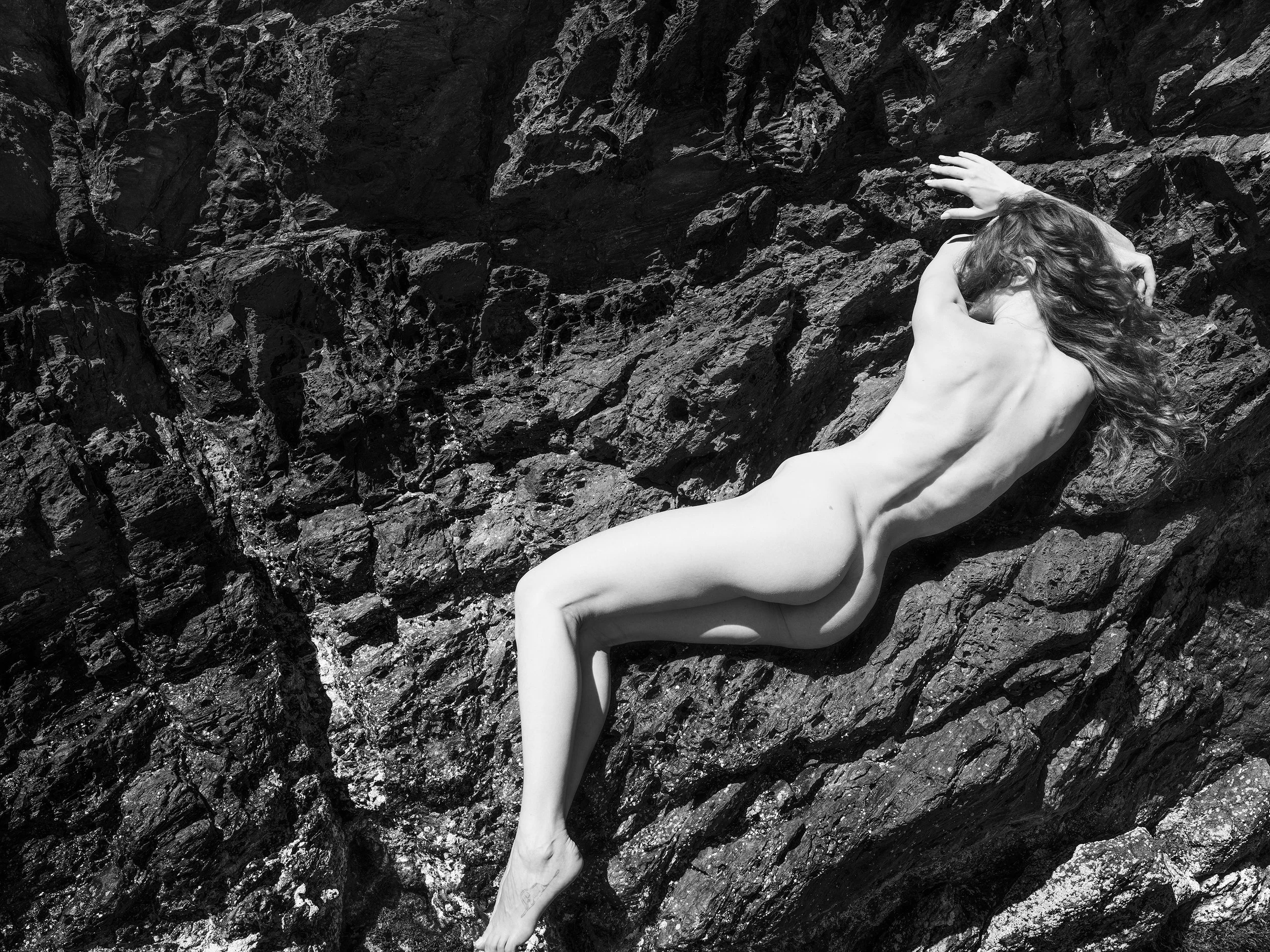
Work in progress from Memories, France, 2026
If you hear people say that the worst can still be avoided if we “act now” that’s both true and false. Yes, any action taken now to reduce the extent of global warming is positive but rather than reverting the situation we’re in, it will merely postpone the moment we hit ‘the worst’.
When I obtained my MSc in Environment & Resource Management back in 2005, the “if we act now” idea was already coined. And while from a certain perspective, much has happened since, atmospheric CO2 concentrations are still increasing year on year.
This is not sustainable. Marine life is fading beyond our view, in the depths of our oceans and seas. For those who believe planting trees is a solution; forests are becoming net emitters of CO2 under increasing heat stress. Fresh water is running out, our rivers will run dry, our crops will fail.
It’s quite curious when you realize that all of this could have been avoided if we had acted just a few decades ago. On the timeline of human history, that’s nothing. A mistake as small as a blip in the universe, that derails the world for hundreds if not thousands of years to come.
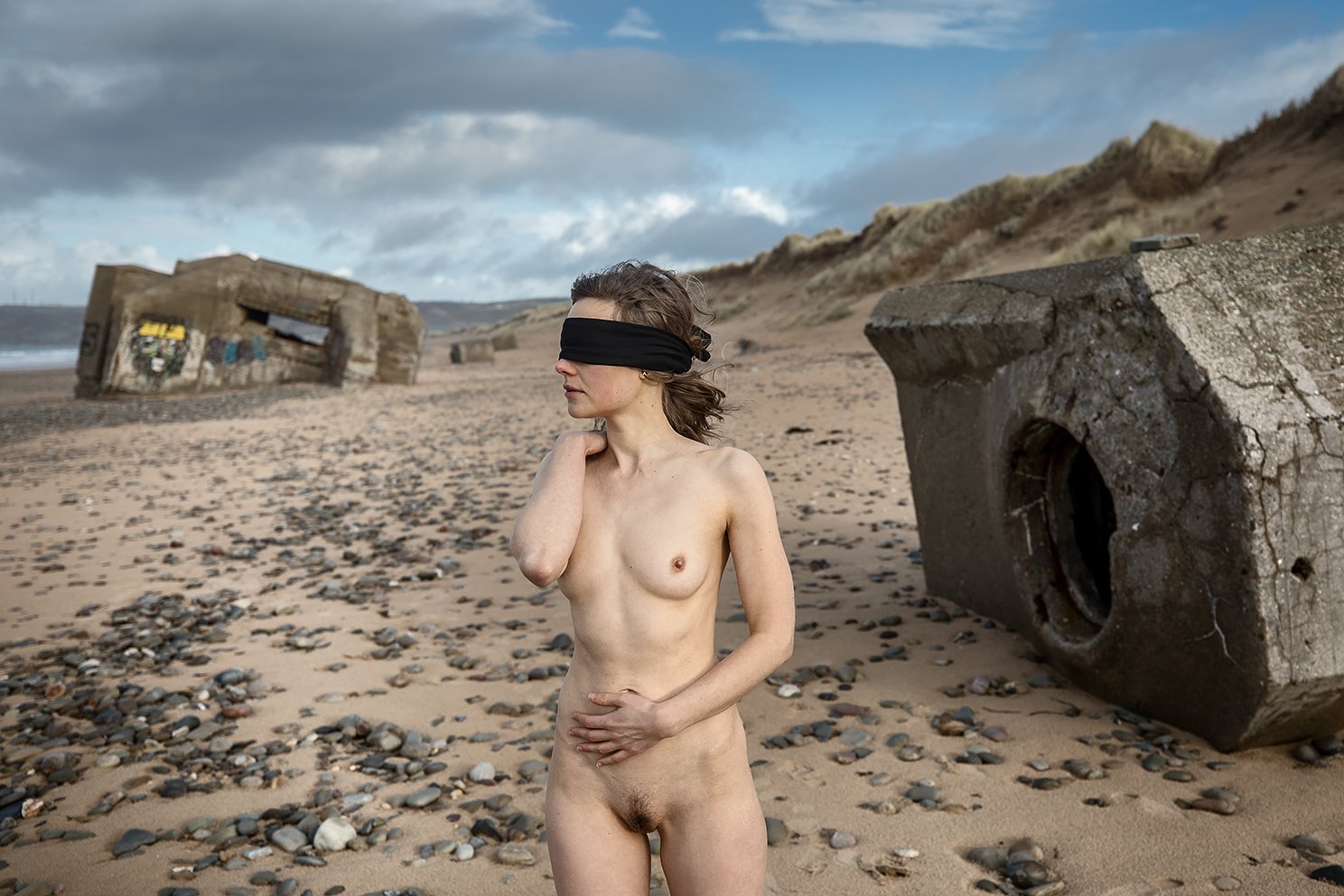
Black Holes, France 2017
What I find most curious is that in the face of this collapse, people are not coming to terms with fact- and science-based perspectives again, but rather digging deeper into their conspiracy rabbit holes. A friend forwarded me this incredible Twitter post a few days ago:
Look up and feel the reality. That suffocating heat and that constant pressure on your head from the past few days don’t feel like ordinary summer heat. This is geo engineering and atmospheric modification in full swing.
They’re laying a blanket over our country to artificially stoke the climate. The goal? To create controlled chaos so that the masses soon beg for CO2 budgets and more control themselves. While the elite watches from their air-conditioned offices, we breathe in the pollution and the community struggles with acute, heavy fatigue.
This isn’t climate change, this is a deliberate attack on our sovereignty. Stay sharp and protect your biology!
#Geoengineering #ClimateScam #Agenda2030
Obviously, climate change is the result of massive geo-engineering. Our societies have built all the infrastructure and economy needed to change the atmosphere’s composition to a point where it raises temperatures. But rather than accepting that this is exactly what scientists warned would happen, it is now being framed as an elitist conspiracy to control the masses. The shear stupidity and insanity of this view make my brain tingle with a mix of rage, disbelief and despair.
Why write about all of these environmental concerns on a fine art photography website, you may ask. The answer is simple and multifaceted. As an artist, I do not operate outside of context, which for me consists of my contemporary fellow artists, the (art) history I received through education, the broader society and the way it functions and of course and perhaps foremost; our climate. The rhythm of the seasons, the scent of green filling the air after the rain, the sound of footsteps in fresh snow, the heat emanating from rocks under the sun, these are all key ingredients for my photographic practice.
But there’s also something on the motivational side; I started taking photographs to capture beauty with the aim of sharing this with others. Not simply to show how beautiful the world is as you can see through many of my photographs, but to inspire them to go out there and discover these interactions with beauty for themselves.
Our canals, lakes and rivers no longer freeze in winter, and enjoying the warm air in summer become less pleasurable too. The world I was documenting, and the things that made it beautiful, are disappearing in front of my eyes. When I see flowers and trees, I no longer see nature thriving and flourishing, but plant life withering, crushed by heat and dehydration.
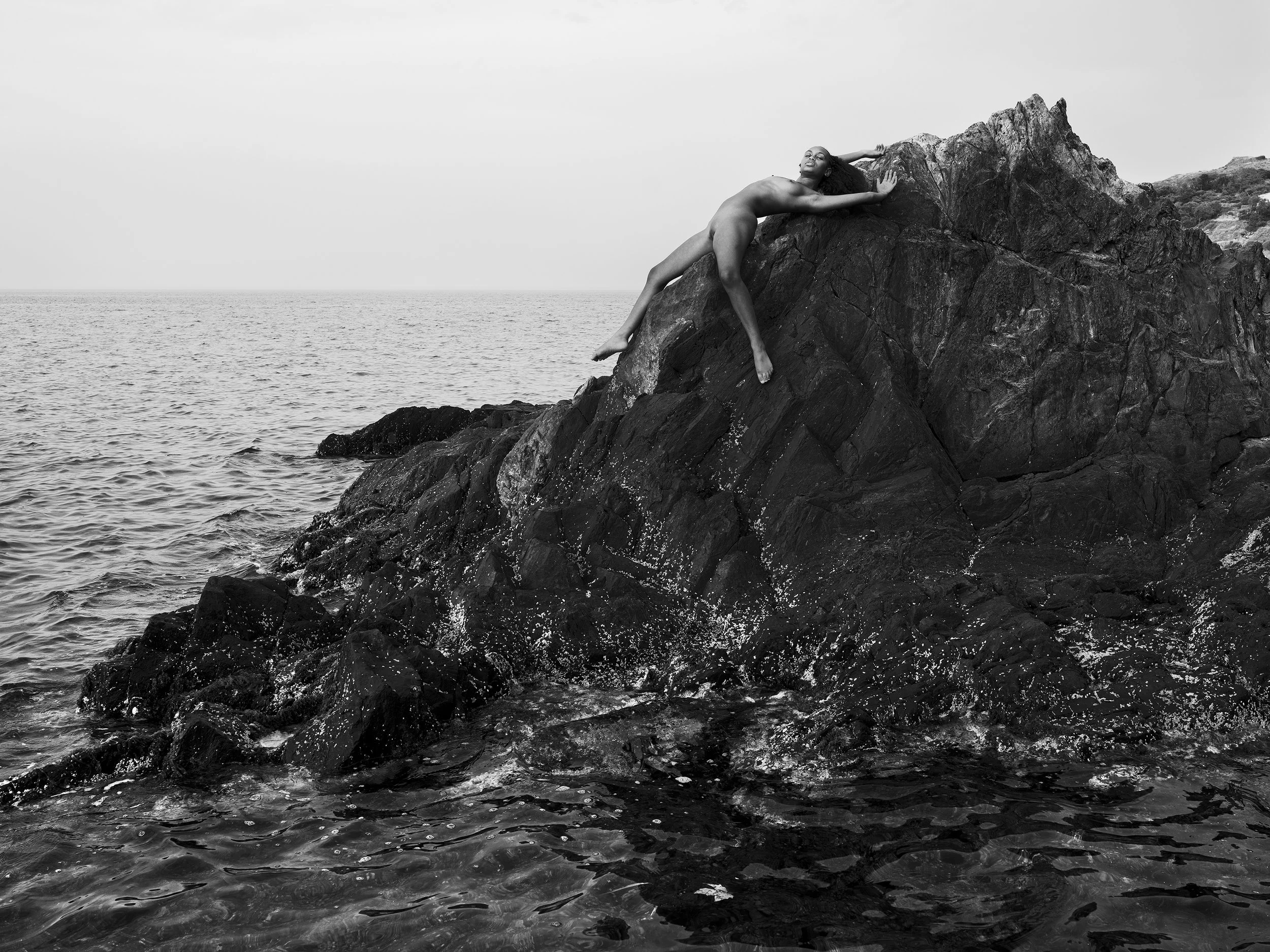
Work in progress from Memories, France, 2025
How does one find meaning in an absurd life was Camus’ key question. My question is; how does one do that in a dying world. And so where my photographic practice started with the desire to share beauty and inspire people to connect with it for themselves, it is now evolving to a more philosophical questioning of life itself, but in a context that is quite unique in recent art history; one of a world entering the phase of collapse.
This is not a sudden shift in my approach but one that occurred gradually over the past decade and a half, starting with Black Holes in 2016 and Golden Future in the post Covid years. I allow the photography to find its own way evolving so I can’t tell for sure where this is headed but the answer to that question might very well involve empathy. And this is rather scary, because it could risk turning into complacency. The challenge will be to embrace empathy whilst continuing the fight.
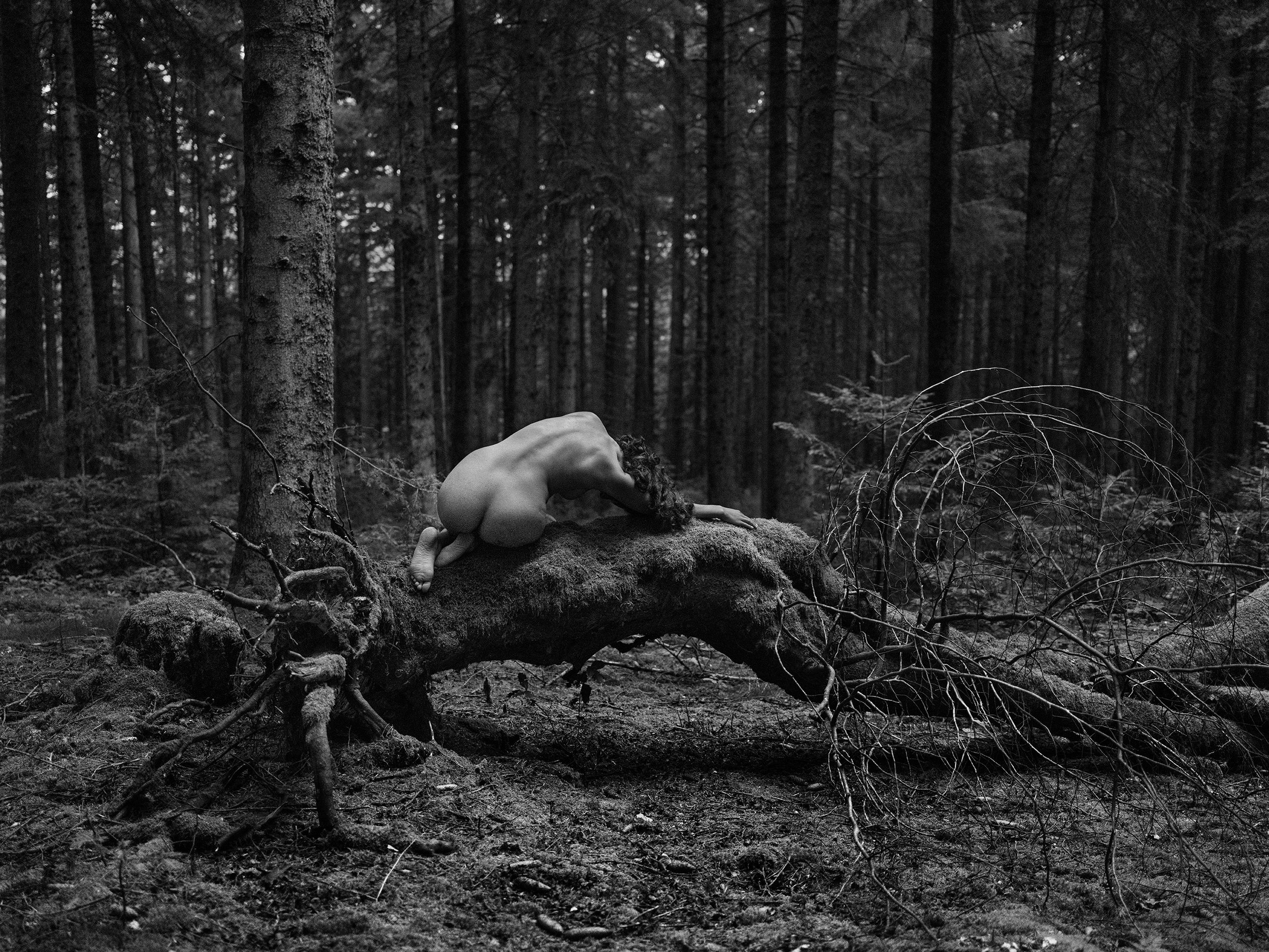
Bibracte, France, 2022
Note for collectors:
For the upcoming Salon des Beaux Arts in Paris this September, I’ve made this photograph available as a limited edition of 9 prints. It was taken in the Bibracte forest in France, in 2022. That year, forest fires ravaged through Europe and made wild-camping hazardous or even impossible at times. The Bibracte forest is remarkable for its Gallic history as well as for its trees, with its hundreds years old braided beeches and breathes tales of druids.
The trees in this forest are threatened by the consequences of climate change. I don’t have to explain how this photograph reflects the inspiration nature brings to my work, and how, in light of the Anthropocene era we’ve entered, it is also a very symbolic photograph in my ever growing portfolio.
Size and edition:
60x80cm (on di-bond including a wooden frame the size would be around 62x82cm)
Edition of 9 in this size
The sale price is:
- During the salon 1.660,-
- After the salon 2.000,-
- Pre-order until July 14th 2026: 1.000,-